From Indonesia to Berlin. My 2-Year Journey as a UX Designer in Germany
“If you talk to a man in a language he understands, that goes to his head. If you talk to him in his language, that goes to his heart.”
— Nelson Mandela
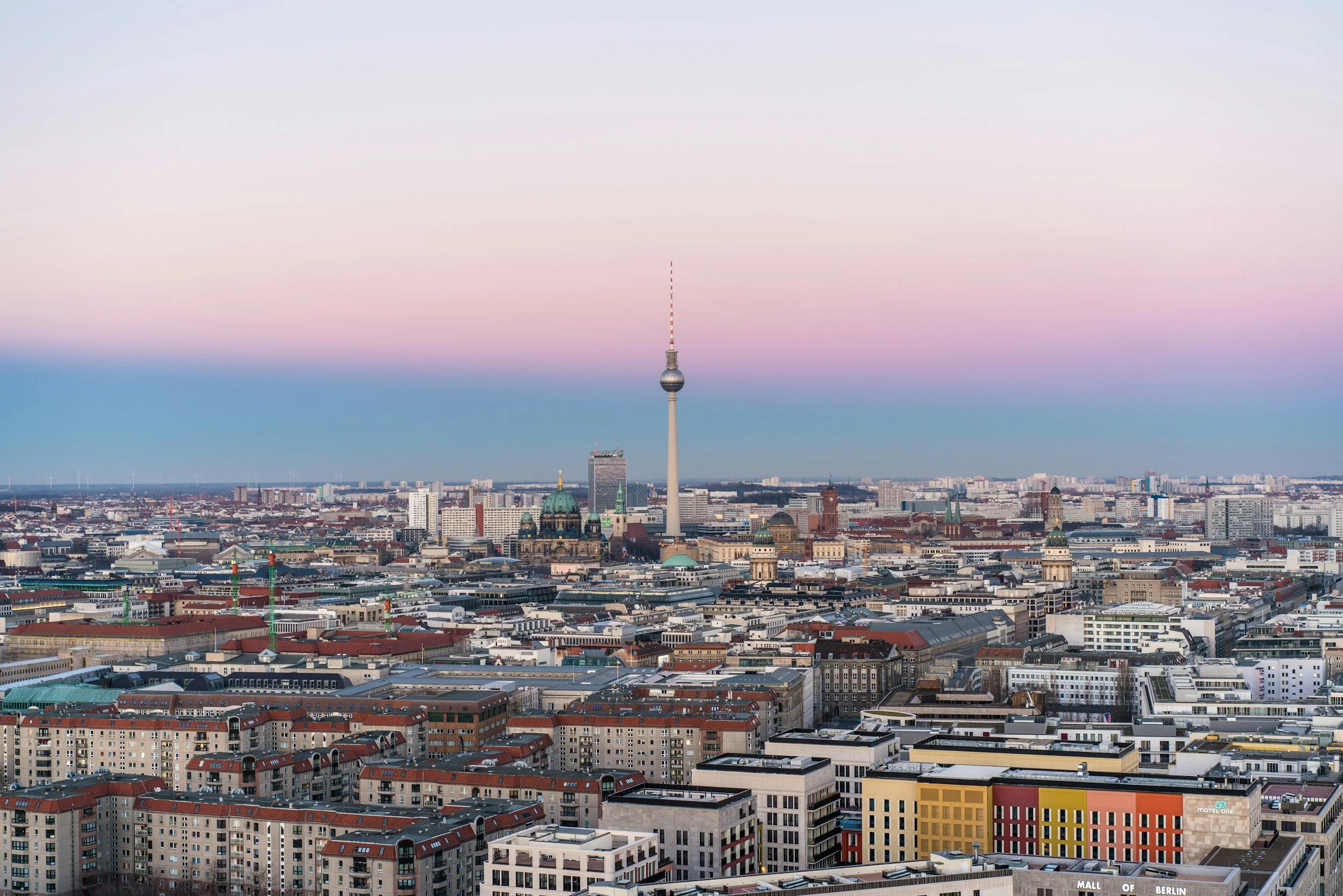
Moving to Berlin at 22
I never imagined I would leave Indonesia at 22.
Yet somehow, I found myself boarding a flight to Berlin, not as a tourist, but as a UX Designer starting a new chapter in Germany’s tech ecosystem.
Even today, I still ask myself:
How did I get here?
I wasn’t the smartest kid. I didn’t have an extraordinary background. I was just someone obsessed with design, curious about the world, and stubborn enough to keep going.
This is the story of how I moved from Indonesia to Berlin and what two years in Germany taught me about design, resilience, and growth.
The Dream Started with an Atlas
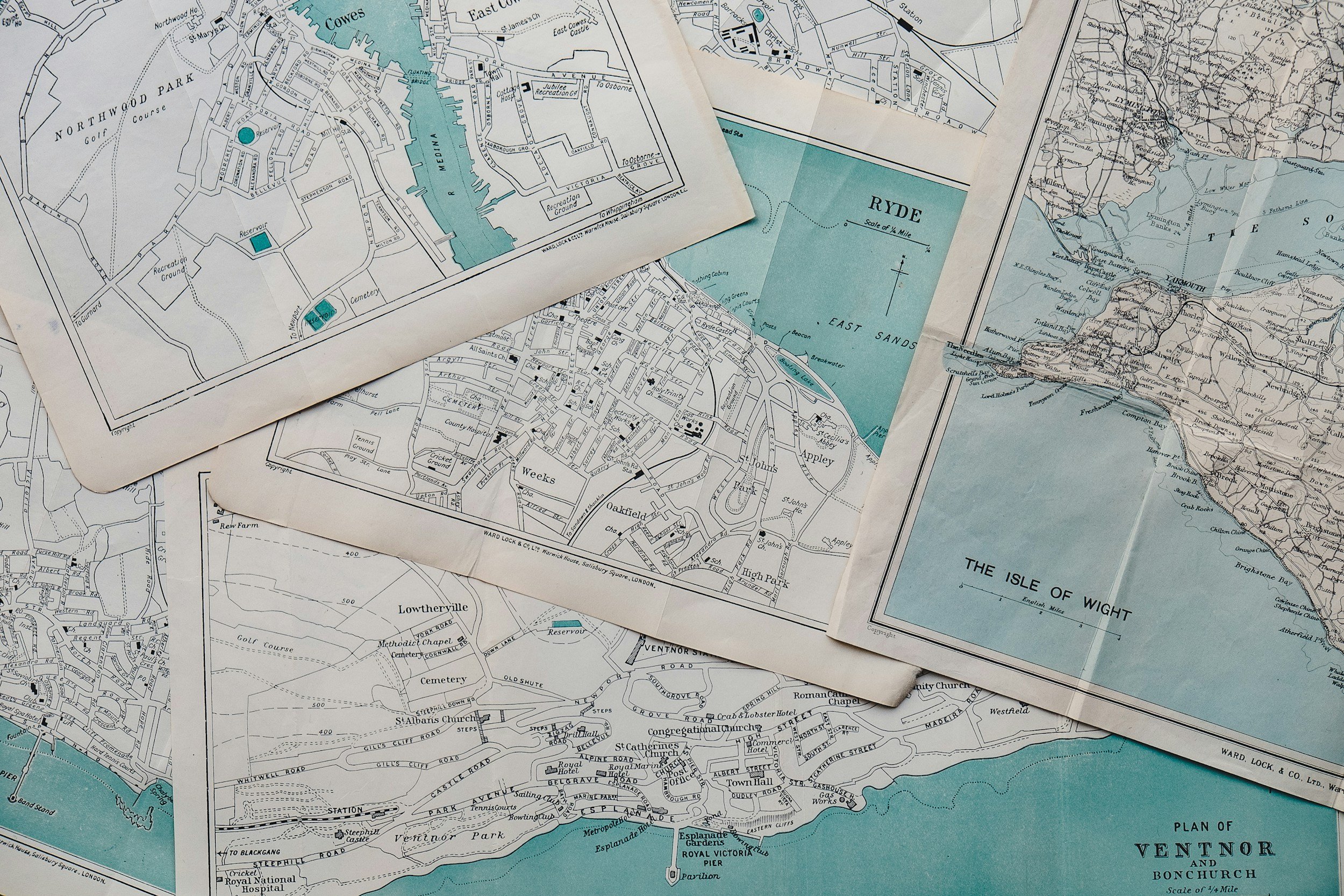
My desire to live abroad didn’t start with LinkedIn. It started with an atlas.
When I was in the 5th grade, my parents bought me a world atlas. I would spend hours flipping through it, staring at countries I couldn’t pronounce. For a while, I wanted to move to America. But because it felt “too mainstream,” I shifted my focus to Canada.
I remember tracing Canada’s shape using carbon paper and pasting it into my notebook. I had no plan. No roadmap. No understanding of visas or international careers.
But the idea of living outside Indonesia was already planted in my mind.
Entering the UX World
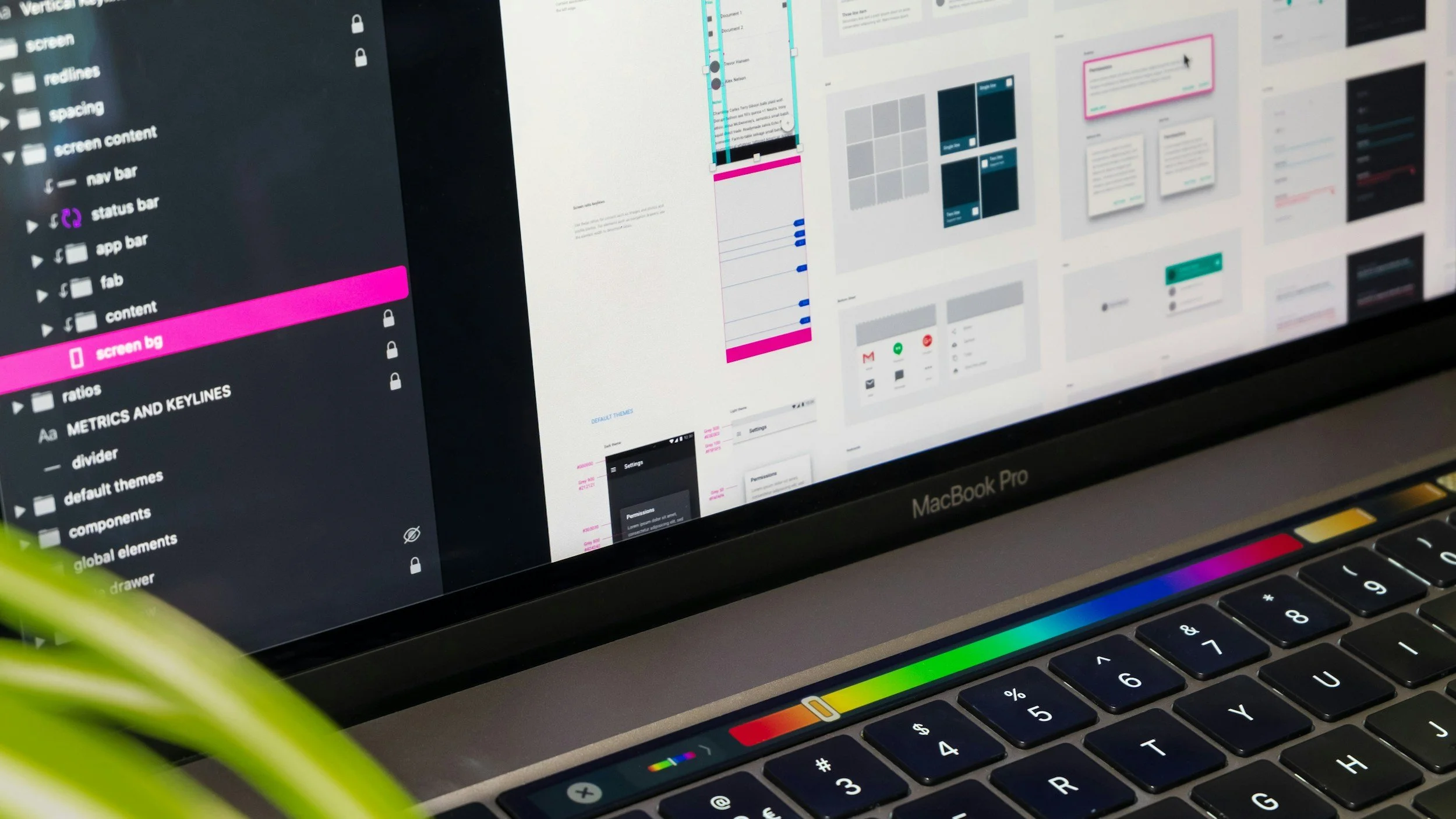
Fast forward to 2021.
I was two years into my UI/UX design career. Still learning. Still making mistakes. Still figuring out what “good design” really meant.
I worked at a digital marketing agency with headquarters in the Netherlands. After about eight months, I was given the opportunity to handle Dutch clients and collaborate with our partners in the Netherlands.
That was the first time I thought:
Maybe this is my bridge to Europe.
Working with international clients changed my perspective. Feedback was more direct. Expectations were clearer. The bar was higher.
It forced me to level up.
Visa, Paperwork, and Anxiety
Getting the opportunity was one thing. Moving to Germany was another story.
Relocation is not glamorous.
There were:
Visa documents
Embassy appointments
Translations
Contracts
Endless waiting
You refresh your email every hour. You calculate timelines. You overthink every possible rejection scenario.
It felt like playing a game without knowing the rules.
But eventually, the visa was approved.
And just like that, I was moving to Berlin as an Indonesian UX Designer.
The First 6 Months in Berlin. Reality Check
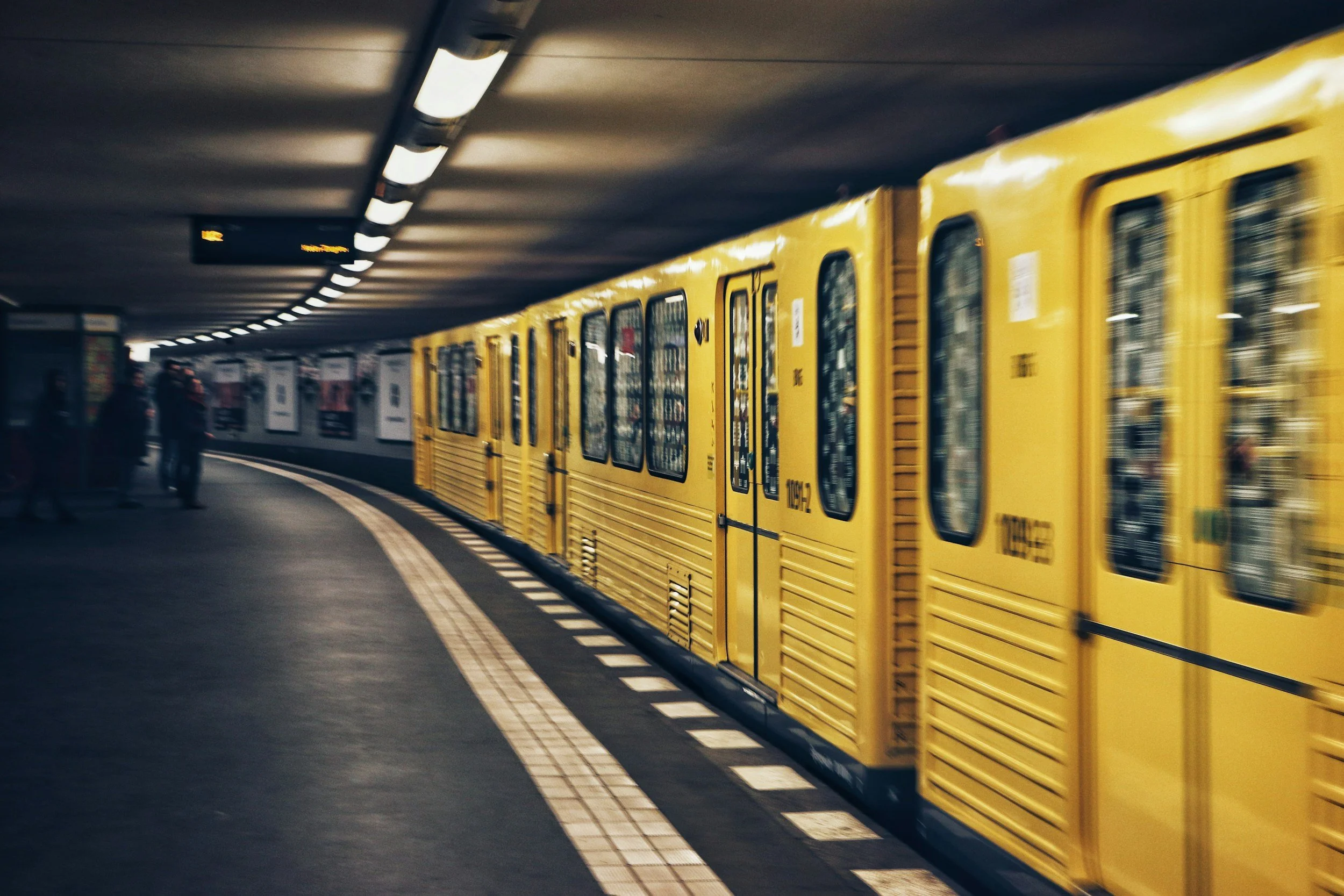
The first six months were the hardest.
Everything was new:
New country
New language
New expectations
New design standards
Simple tasks became complicated:
Registering my address (Anmeldung)
Opening a bank account
Understanding official German letters
Grocery shopping without Google Translate
At work, the UX culture felt different. Product discussions were structured. Feedback was extremely direct. Meetings were efficient and data-driven.
Sometimes I questioned myself:
Am I really good enough to work in Germany?
And then there was the language barrier.
Even if your company works in English, Germany runs in German. Outside the office, you feel small when you can’t fully express yourself.
That’s when I understood:
Working abroad is not just about design skills. It’s about emotional endurance.
The First Year. Imposter Syndrome & Growth

The first year tested everything.
Imposter syndrome. Loneliness. Cultural shock. Winter depression.
Back in Indonesia, I had comfort. Network. Familiarity. In Berlin, I had to rebuild everything from zero.
But something powerful happens when you survive your first year abroad.
You become mentally stronger.
Professionally, I improved faster than ever before. Exposure to international teams elevated my product thinking. Design decisions were tied to business impact, not just aesthetics.
I started thinking less about “how it looks” and more about:
What problem are we solving?
What metric are we improving?
How does this impact revenue or user retention?
Berlin’s UX ecosystem doesn’t let you stay average.
Two Years in Germany. The Honest Truth
Two years later, here’s the honest answer:
It’s still hard.
Some days I’m tired. Some days I miss home. Some days I question my decisions.
But this is where real growth happens.
Financially, it’s better. Career-wise, significantly better. Mentally, much stronger.
Berlin is competitive. You’re surrounded by talented designers from all over Europe and beyond. If you survive here, you grow, whether you like it or not.
You pay for it with comfort.
What I Learned as an Indonesian UX Designer in Berlin
1. Language Is a Career Multiplier
You can survive with English. But you integrate with German.
Speaking the local language changes everything, socially and professionally. It builds trust. It opens deeper conversations. It shows respect.
If I could go back, I would invest in learning German much earlier.
2. Portfolio Gets You In. Communication Keeps You There.
Design skills matter. But stakeholder management, clarity in thinking, and structured communication matter more.
Germany values clarity and logic. If you can explain your design decisions clearly and tie them to business outcomes, you win trust.
3. Adaptability Beats Raw Talent
Being smart is good. Being adaptable is essential.
New culture. New expectations. New standards.
Your ability to adjust quickly determines your long-term success abroad.
Final Thoughts

Me, speaking in front of about 80 "Bules" 😄
If you’re an Indonesian designer dreaming of working in Berlin or anywhere in Europe, I was once just a kid tracing Canada on carbon paper.
It’s possible.
But it’s not glamorous. It’s not linear. And it’s definitely not easy.
Still, if you’re willing to grow through discomfort, it might just transform your life.
And for me?
Two years in Berlin is not the destination.
It’s just the beginning.